Mattress protectors and pads are essential for preserving mattress longevity, comfort, and cleanliness. They layer beneath or over sheets to shield against spills, stains, allergens, and everyday wear while maintaining breathability. Understanding material construction, waterproofing options, and fit can help determine suitability for different sleeping preferences and bed sizes.
Commonly used materials include cotton, polyester blends, and waterproof membranes that balance protection with airflow. Mattress pads add a cushioned surface that can soften firmness and reduce pressure points, whereas protectors focus on barrier function. For hypoallergenic needs, look for tightly woven fabrics and encasement features that limit dust mite exposure.
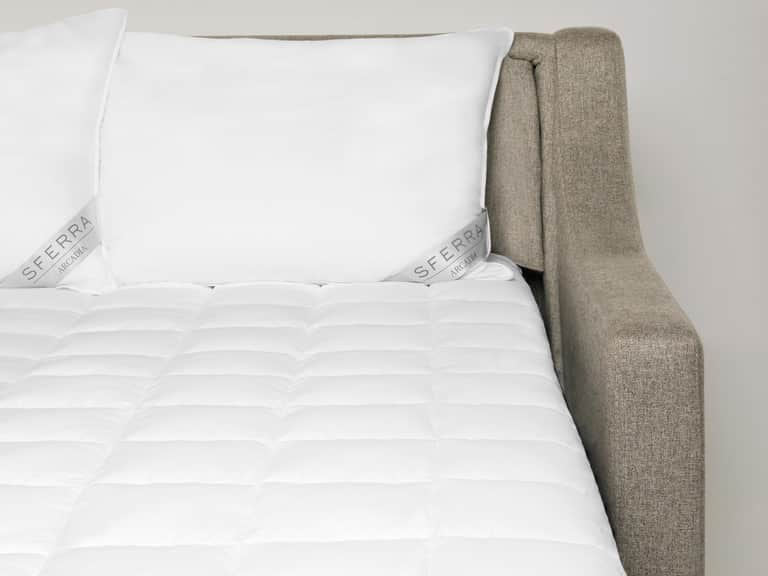
In the context of loveseat.cc, the Arcadia Comfort Sleeper Mattress Pad exemplifies a model that blends comfort with protection. It provides a breathable layer that minimizes heat buildup, a soft fabric top for sleeping comfort, and a structured backing to maintain surface integrity. Such pads are compatible with various sleeping arrangements, including adjustable beds and sleeper sofas.
Key features to assess include fit depth, edge-to-edge coverage, and ease of care. Machine-washable designs simplify maintenance, while waterproof or water-resistant variants protect against unexpected spills. Consider pad thickness and quilting patterns, which influence both comfort level and noise during movement, ensuring a quiet sleeping environment.
Materials, permeability, and cleaning instructions all affect performance and durability over time. By aligning product attributes with typical uses—protecting against accidents, reducing allergen exposure, and enhancing mattress life—consumers can choose bedding solutions that complement pillows, sheets, and other bedroom essentials without compromising comfort.
 Bedding